Auf Landschaftsfotos.eu hochgeladene Bilder im Juni 2008:
![]()
16. Juni 2008 (17 Photos)
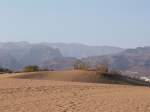
View over the dunes of Maspalomas towards the interior of Gran Canaria. The photo was taken on 09.06.2008.
Martin Kramer

Pure relaxation... with a warm breeze, the sea rushes onto the beach of Maspalomas. The photo was taken on 09.06.2008.
Martin Kramer

View of a dune in the nature reserve in Maspalomas. The photo was taken on 09.06.2008.
Martin Kramer
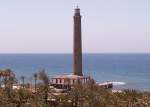
The Maspalomas Lighthouse. Built between 1860 and 1890, it has been sending its light over the sea ever since. The tower is 59 meters high and the light can be seen from 19 nautical miles away. The photo was taken on 09.06.2008.
Martin Kramer
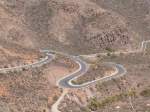
Pure driving pleasure! On the road from Artedara to Fataga, you can really push your car around the curves... simply beautiful. The photo was taken on 13.06.2008.
Martin Kramer

The Grand Hotel "Lopesan Costa Meloneras" photographed from the helicopter. The image is from 11.06.2008.
Martin Kramer
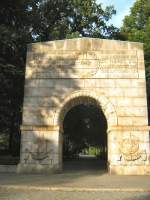
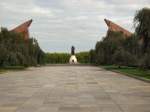
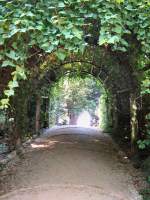
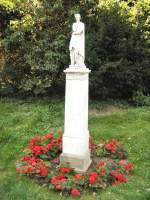
Berlin, Treptower Park, one of the entrance gates to the memorial site
ERHARD BEYER
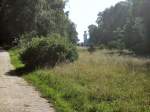
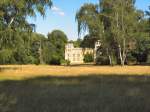
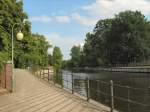
Peacock Island, view towards the castle
BERLIN 2007
ERHARD BEYER
17. Juni 2008 (16 Photos)
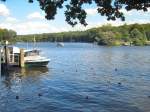
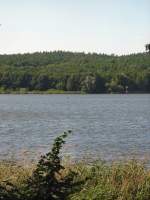
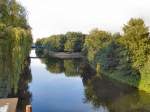
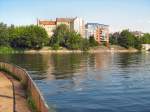
Peacock Island, view towards the mainland
BERLIN 2007
ERHARD BEYER
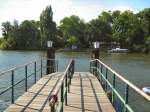
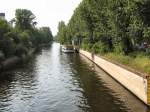
View from the ferry dock to Peacock Island
BERLIN 2007
ERHARD BEYER
18. Juni 2008 (25 Photos)
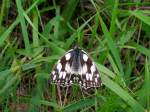
Marbled White (Melanargia galathea) during a "short pit stop"; 080617
JohannJ
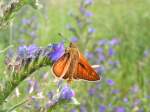
Rust-colored skipper butterfly (male), settling comfortably on a flower; 08617
JohannJ
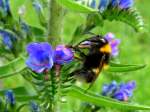
A bumblebee is about to insert its "proboscis" into the flower to collect nectar; 080617
JohannJ
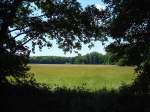
Nature for relaxing and enjoying, in the Rhine plain near Freiburg, June 2008
rainer ullrich
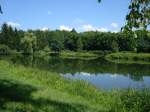
Nature on your doorstep, you will surely find that in your area as well, fish pond in the Rhine plain near Freiburg, June 2008
rainer ullrich
Natural tranquility and idyll, even without long-distance travel right on your doorstep, in the Rhine plain near Freiburg, June 2008
rainer ullrich
Pure nature and summer as well, in the Rhine plain near Freiburg, June 2008
rainer ullrich
Pure nature right on the doorstep, you just have to see it, small fish pond in the Rhine plain near Freiburg, June 2008
rainer ullrich
Wheat and barley sprout along the railway tracks; 080617
JohannJ
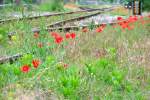
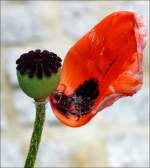
Poppy blossoms along the railway tracks; 080617
JohannJ
20. Juni 2008 (10 Photos)
21. Juni 2008 (11 Photos)
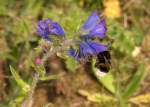
Slightly off the Erzbahn trail from Gelsenkirchen to Essen, nature has reclaimed its space on a former mining site. 19.06.2008 Wanne-Eickel
Klaus Muhs

Besides large trains, there are also small wonders to photograph in the railway area, such as this poppy on the rocky, dry platform of Neyruz.
June 2008
Stefan Wohlfahrt
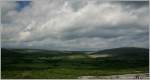
The Burren - Hill landscape near Ballyvaughan, Ireland Co. Clare
Marina Frintrop
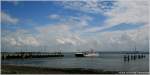
Ireland Co. Clare - The Shannon shore at Killimer. The ferry was just setting off for Tarbert (Co. Kerry).
Marina Frintrop
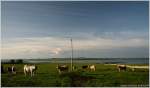
Willows on Galway Bay near Muckinish (N67 between Ballyvaughan and Kinvarra), Ireland Co. Clare
Marina Frintrop
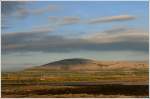
View over a bay of Galway Bay (low tide) to the landscape near Rossalia, Ireland Co. Clare.
Marina Frintrop
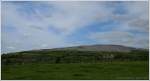
Landscape of the Burren near Oughtmama (near Ballyvaughan), Ireland Co. Clare. The building is the Corcomroe Abbey from the 12th century.
Marina Frintrop
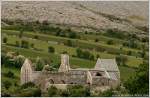
Corcomroe Abbey near Oughtmama, Ireland Co. Clare. We only found out hours after taking this photo what we had actually photographed... and then we actually found the access road ;o) Visiting this Cistercian monks' abbey (built around 1195) was one of the absolute highlights of our vacation. I have uploaded the detail photos at staedte-fotos.de.
Marina Frintrop
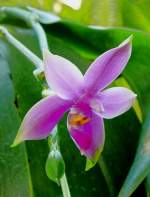
Orchid Phalaenopsis from Malaysia on 21.06.2008 in Wilhelma/Stuttgart. The genus Phalaenopsis belongs to the family of orchids (Orchidaceae) and is today one of the best-known and most popular genera of tropical orchids. The botanical name is derived from the Greek Phalaina (moth) and -opsis (appearance), as the flowers resemble tropical moths. Source = Wikipedia
Manfred Möldner
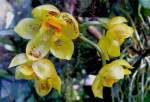
Orchid Houlletia wallisii on 21.06.2008 in Wilhelma/Stuttgart
Origin: Colombia, Ecuador, and Peru
Light: Partial shade - Shade
Temperature range: Temperate
Size: Medium - Large
Description: Houlletia wallisii is a medium-sized orchid that bears a long-stemmed leaf on a bulb about the size of a chicken egg. The flower spike develops at the base of the bulb and carries many yellow-black spotted fragrant flowers. The flower color varies greatly.
Cultivation: Houlletia wallisii is not easy to cultivate. As a forest orchid, it requires high humidity and substrate moisture under temperate conditions. Standing water, especially overnight, on new and flower shoots leads to their loss. Good ventilation and plenty of fresh air, as well as proper nutrient supply, are important. No dormancy period. Source = Orchideen Lenhard
Manfred Möldner
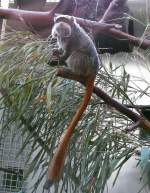
Emperor Tamarin on 21.06.2008 in Wilhelma/Stuttgart - Distribution: Emperor tamarins live in the southwestern Amazon Basin, in eastern Peru, northern Bolivia, and in the western Brazilian states of Acre and Amazonas. - Description: The fur of the emperor tamarins is predominantly gray, with yellowish speckles on the chest. The hands and feet are black, the tail brown. However, the most striking feature is the long, white mustache that extends over the shoulders on both sides. The animals reach a head-body length of 23 to 26 centimeters, with an additional tail length of 35 to 14 centimeters. Their weight is around 300 to 400 grams. - Lifestyle: These primates inhabit tropical rainforests, but they are found not only deep in the forest but also in open, tree-covered areas. They are diurnal animals that spend most of their lives moving quickly and securely with long leaps through the trees. Emperor tamarins live in groups of two to eight animals. The oldest female leads the group, which may also include several sexually mature males. Mutual grooming plays an important role in maintaining contacts within the group. The animals often associate with other tamarin species, such as the brown-backed tamarin. They communicate with each other through calls, which help them detect predators early. Diet: Emperor tamarins, like all tamarins, are omnivores that feed on fruits, insects, and tree sap. Additionally, they also consume bird eggs and small vertebrates (for example, lizards and tree frogs). Due to their low weight, they can reach prey at the outer ends of branches that are inaccessible to heavier primates. Source = WIKIPEDIA
Manfred Möldner